


Mental Health Support and Community Roles
You don’t need a clinical qualification to start a career in mental health. Our support and community roles work alongside consumers, families, carers and multidisciplinary teams to help people live well in their own homes and communities. These roles focus on practical support, connection and everyday wellbeing. They help people build skills, strengthen relationships and work towards recovery goals that matter to them. They are a rewarding way to begin or grow a career in mental health, with chances to learn, develop and move into other roles across our service.
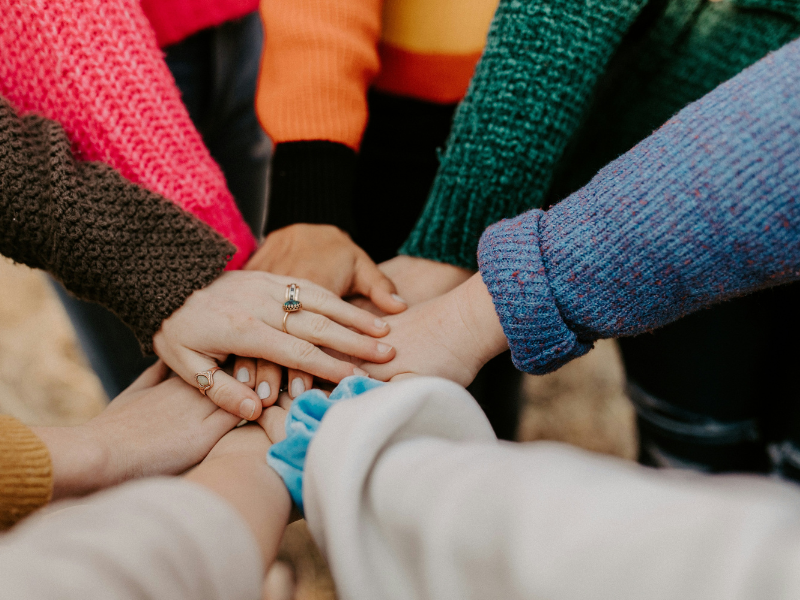
Roles in mental health support and community
Mental Health Support Workers provide practical, day-to-day support to people using our services. As part of the wider team, they help people with daily living, building routines and staying connected, in a way that respects each person’s choices and pace.
Community Rehabilitation Workers support people to build skills, confidence and independence in their everyday lives. This may include help with daily living, social connection, study, work or joining in community activities, guided by each person’s own recovery goals.
Psychosocial Support Workers help people manage the impact of mental health challenges on their daily lives. They work with people to strengthen relationships and to access housing, education, employment and other services. They also help people build the supports they need to live well in the community.
Residential Support Workers support people living in residential or supported accommodation. They create a safe, welcoming and respectful environment, and help people with daily living, routines and building greater independence.
Care Coordinators help people and their families find their way through the mental health system. They bring together the different services and supports involved in a person’s care, so that everyone works together towards the person’s own goals.
Intake and Triage Workers are often the first point of contact for people seeking support. They listen, gather information, respond to enquiries and help connect people with the right service at the right time. They offer warmth and respect from the very first conversation.
Family Support Workers work with families, carers and supporters of people experiencing mental health challenges. They offer information and practical support. They help families understand services, be included in care and look after their own wellbeing.
Wellbeing Workers support people’s overall health and wellbeing, including physical health, social connection and healthy daily routines. They work alongside people to find activities and supports that help them feel well and stay well.
Health Promotion and Community Engagement roles work with local communities, schools, organisations and groups. They promote mental health and wellbeing, reduce stigma, and help people know where and how to get support early.
- Mental Health Education Training and Research
Grow your skills and build your career with GV Health’s Mental Health and Wellbeing team. We support ongoing learning through education, training and collaboration across professions. Contribute to a culture of research and continuous improvement, with lived experience and evidence informing better care for consumers, families and carers.
- Expression of Interest
If you are interested in working at GV Health, but there are no current positions available in your preferred role, you are welcome to submit an expression of interest, and we will contact you to discuss.
- Benefits of Working at GV Health
While working at our busy, regional health service, you’ll be exposed to challenging and stimulating work.